

Mpox, also known as monkeypox, has recently surged into global awareness.
Initially identified by scientists in 1958 during outbreaks of a “pox-like” disease in monkeys, the virus has long been a concern primarily in central and West Africa.
Historically, human cases were mostly seen in individuals who had close contact with infected animals. However, the virus’s spread in 2022 across more than 70 countries marked a significant shift, with the virus confirmed to transmit via sexual contact for the first time.
Genetic Clades of MPOX:
Mpox is divided into two genetic clades: the Congo Basin clade and the West African clade. The Congo Basin clade is known for causing a more severe form of the disease and is considered more transmissible. In contrast, the recent outbreaks predominantly involve the West African clade, which is generally less severe.
Zoonotic Nature and Transmission:
As a zoonotic disease, Mpox is transmitted between humans and animals. It commonly appears in tropical climates and rainforests where animals carrying the virus, such as squirrels, dormice, certain types of monkeys, and rats, reside. Transmission occurs through bites, scratches, or the preparation of bush meat.
Human-to-human transmission is relatively limited. The virus spreads through direct contact with bodily fluids or skin lesions, as well as indirect contact with lesion materials on items like contaminated bedding or clothing.
Additionally, it can spread via respiratory droplets, but this mode requires direct, prolonged contact with someone who has an active rash, as the virus does not travel easily through the air.
Symptoms and Diagnosis:
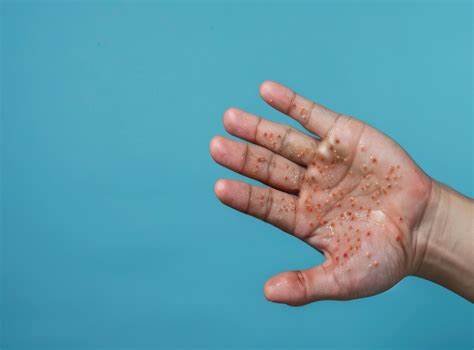
Mpox usually presents with a fever, rash, and swollen lymph nodes. The early stages (1-3 days) involve headaches, backaches, sore muscles, and a lack of energy. Typically, a rash develops 1-5 days after the onset of symptoms, starting as raised spots that turn into fluid-filled blisters and eventually scab over and fall off.
Diagnosis is confirmed through PCR testing, with genomic sequencing used for specific case confirmation, such as one reported in Portugal.
Treatment and Vaccination:
Currently, there is no specific medication for the Mpox virus itself. However, antiviral drugs such as cidofovir, brincidofovir, and tecovirimat may be used to manage the infection. The World Health Organization (WHO) is actively convening experts to discuss and develop vaccination recommendations.
As global health authorities continue to monitor and respond to the Mpox outbreaks, it is crucial for individuals to stay informed and adhere to public health guidelines to prevent further spread.